France draws around 90 million international visitors each year, yet a growing share of travelers are skipping chain hotels in favor of guest houses - smaller, privately run properties that offer a more grounded and locally authentic experience. From Provence's sun-baked countryside to the rugged interior of Corsica and the green bocage of Normandy, guest houses in France occupy some of the country's most striking settings, often at a fraction of the cost of a comparable hotel room.
What It's Like Staying in France
France is one of Europe's most geographically varied countries, and where you stay shapes the entire trip. The north offers dramatic coastlines, medieval abbeys, and WWII heritage sites. The south brings arid garrigue landscapes, Roman amphitheaters, and lavender-scented plains. Corsica operates almost like a separate country - French in administration but distinctly Mediterranean in culture, language, and landscape. Crowd patterns vary sharply: Paris and the Riviera are consistently packed from June through August, while rural regions like the Lot, Normandy, or inland Provence can feel remarkably quiet even in peak summer. Guest houses are particularly well-suited to travelers who want to move between regions, since they're often positioned near key road axes without being in town centers. Driving is the most practical way to reach most French guest houses, as public transport rarely covers rural zones with useful frequency.
Pros:
- Exceptional regional diversity - coastal, alpine, rural, and urban stays are all feasible within a single trip
- France's road network is among the best in Europe, making cross-region driving highly efficient
- French cuisine culture means even small villages often have quality local dining within reach
Cons:
- Language barriers remain real outside tourist hubs - basic French is genuinely useful in rural areas
- Peak-season driving in the south can mean heavy congestion on national roads, especially in July and August
- Rural guest houses may have limited check-in windows - late arrivals require advance coordination with hosts
Why Choose a Guest House in France
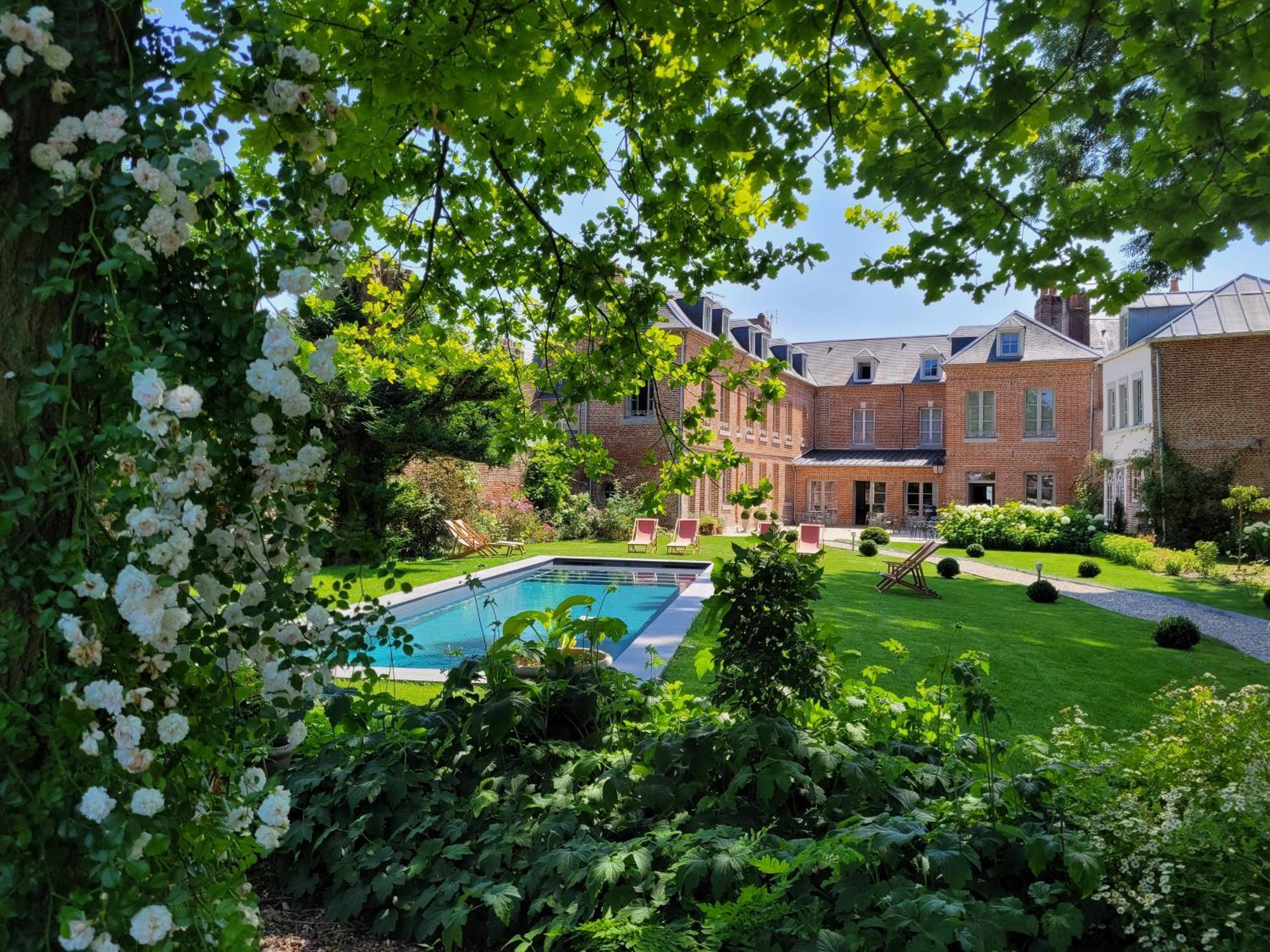
Guest houses in France - known locally as chambres d'hôtes - operate under a specific classification that distinguishes them from standard hotels. Legally, they must be run by the resident owner and offer no more than 5 rooms, which means the experience is inherently personal and the property reflects the character of the person running it. Prices typically run 20-40% lower than equivalent-star hotels in the same area, and breakfast is frequently included, which adds real daily value in a country where café breakfasts are not particularly cheap. Room sizes in French guest houses tend to be more generous than city hotel rooms, often set within converted farmhouses, châteaux, or village homes with thick stone walls and high ceilings. The main trade-off is flexibility: guest houses rarely offer 24-hour reception, room service, or on-demand housekeeping, and some enforce strict meal or arrival schedules. Saltwater pools, private gardens, and countryside panoramas are common features at higher-end guest houses, adding leisure value that most urban hotels simply cannot match at the same price point.
Pros:
- Breakfast is typically included and freshly prepared, often featuring local and regional products
- Properties are frequently set in heritage buildings - converted farmhouses, manor houses, and rural estates
- Free private parking is standard at most French guest houses, eliminating a significant hidden cost
Cons:
- No late check-in flexibility without prior arrangement - hosts set firm arrival windows
- Limited on-site dining options beyond breakfast; guests must plan dinner independently
- Fewer rooms means availability disappears fast, especially in high-demand rural zones in summer
Practical Booking & Area Strategy
Choosing where to base yourself in France depends heavily on what you want to reach by car or train. Provence and the Camargue - anchored by cities like Arles, Avignon, and Nîmes - give access to Roman heritage, the Alpilles, and the Rhône delta within a tight geographic radius, making a single guest house base workable for several days of day trips. Normandy rewards slower travel: the D-Day beaches, Mont-Saint-Michel, and the bocage interior are spread across the region, and guest houses near smaller towns like Le Lorey place you away from tourist coach routes while remaining driveable to major sites. Corsica is a different calculation entirely - Bastia and its surroundings in Cap Corse suit travelers focused on the north of the island, where the coastal road and mountain villages are far less developed than the south. For Aquitaine and the southwest, the Garonne valley and Lot-et-Garonne offer quiet countryside stays within reach of Bordeaux's wine appellations. Book at least 6 weeks in advance for summer stays in Provence and Corsica - availability at well-reviewed guest houses evaporates well before the season peaks.
Guest Houses in Provence & Southern France
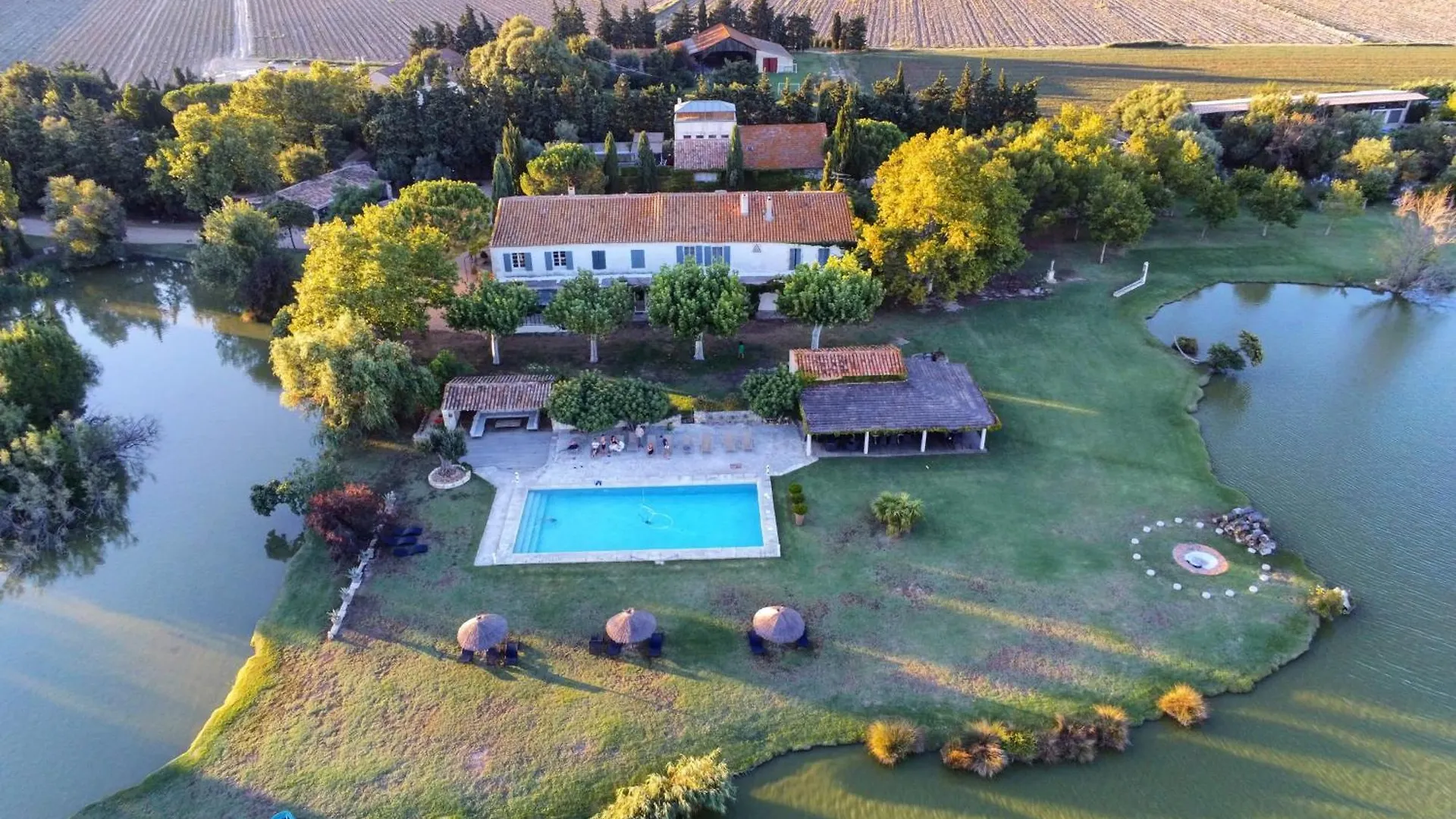
The Provence-Camargue corridor offers some of France's most rewarding guest house stays, combining Roman heritage, natural reserves, and a strong culinary culture within a compact driving zone.
-
1. Mas De La Galegiere - Les Chambres D'Hotes
Show on map


 Check-infrom 15:00 until 19:00Check-outfrom 06:00 until 11:00
Just a few rooms left at the best rate!
from€ 274
Guest Houses in Normandy & Corsica
Normandy's rural interior and Corsica's northern highlands each offer a distinct guest house experience - one rooted in French heritage landscapes, the other in Mediterranean island character with mountain backdrops.
-
2. Chateau De La Rucquetiere
Show on map


 Check-infrom 16:00 until 20:00Check-outfrom 08:00 until 11:00
Just a few rooms left at the best rate!
from€ 81
-
3. A Villa Di Rutali
Show on map


 Check-infrom 15:00 until 19:00Check-outfrom 08:00 until 11:00
Hurry – almost gone at this price!
from€ 270
-
4. Le Coteau De Bazeille Sauna&Detente Sas
Show on map


 Check-infrom 15:00 until 20:30Check-outuntil 11:00
Rooms filling fast – secure the best rate!
from€ 187
Smart Travel & Timing Advice for Guest Houses in France
June and September are the strongest months for booking guest houses across most French regions - temperatures are high, daylight is long, crowds are thinner than in July and August, and prices at rural properties are noticeably lower than peak summer rates. July and August bring the French domestic holiday season in full force: the autoroutes south become gridlocked on changeover Saturdays, and well-reviewed guest houses in Provence, Corsica, and the Atlantic coast sell out weeks in advance. Corsica in particular sees ferry and flight prices spike sharply in the first two weeks of August - booking accommodation and transport together at least 8 weeks ahead is the realistic minimum for that period. For Normandy and Aquitaine, the shoulder season extends usefully into October, when foliage, wine harvest activity, and quiet roads combine well. A minimum stay of 3 nights makes most sense at rural guest houses, where the surrounding area rewards slower exploration and single-night stays often don't justify the check-in logistics. Last-minute availability does occasionally appear in November through March, when some guest houses offer reduced rates or flexible terms for off-season bookings.